


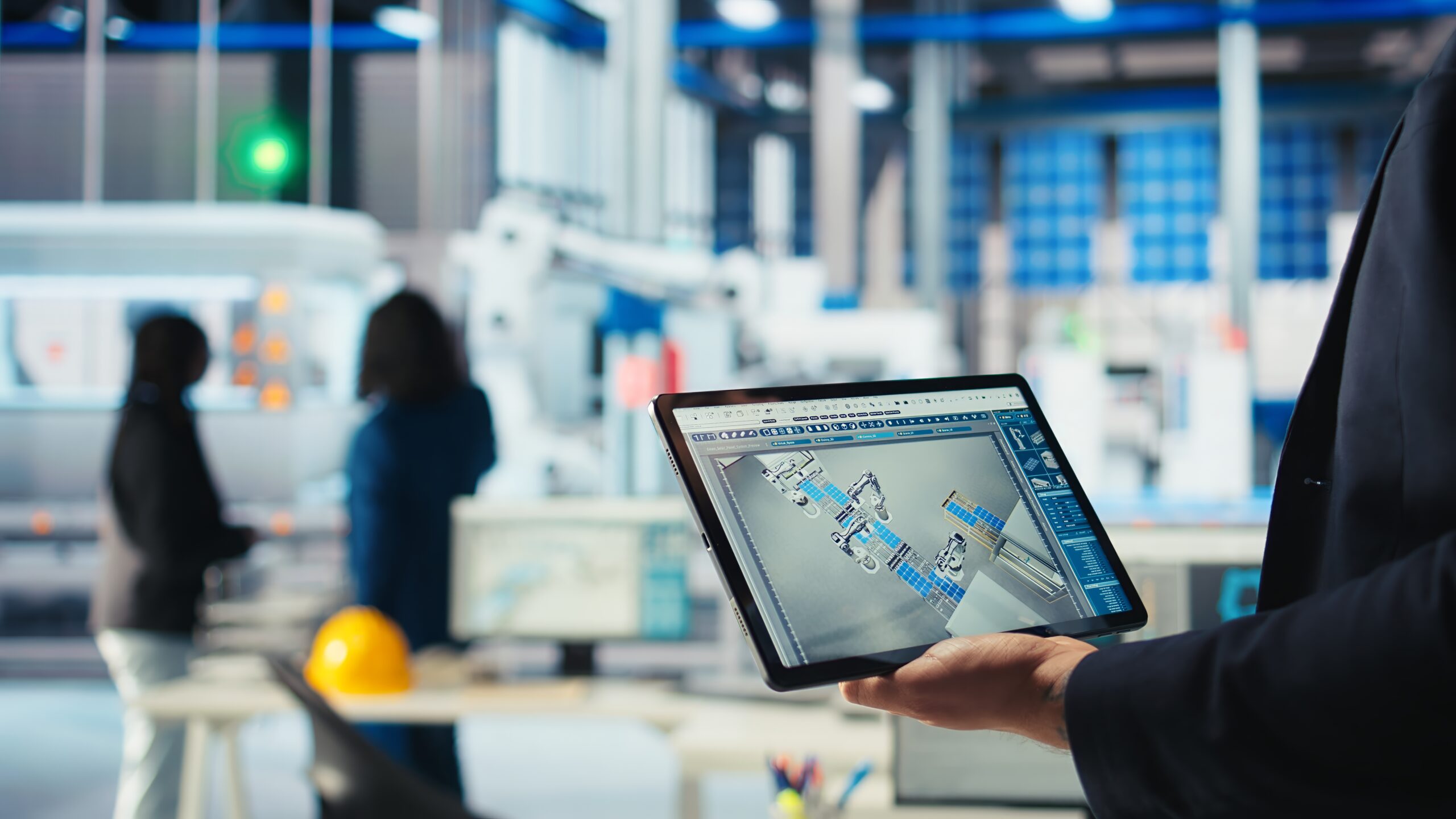
In 2026, managing cleaning and maintenance in industrial plants remains a critical challenge for companies operating in regulated sectors such as Food & Beverage, Pharma, and Transportation. Increasing regulatory requirements, higher safety standards, and a growing focus on production continuity demand ever more advanced solutions to ensure clean, efficient, and fully compliant facilities.
In this context, smart maintenance and process digitalization are becoming essential tools to maintain high quality standards, reduce unplanned downtime, and meet regulatory requirements.
Technologies such as IoT, Artificial Intelligence, Digital Twin, and predictive systems are transforming the way companies monitor and manage machinery and industrial assets, enabling proactive interventions and continuous optimization.
For regulated industries, this means ensuring not only reliable performance, but also consistent hygiene throughout the entire production line, reducing contamination risks and improving operational safety.
Predictive maintenance and data-driven maintenance
One of the most significant trends of 2026 (according to McKinsey and the Artificial Intelligence Observatory of the Politecnico di Milano) is the evolution of maintenance from a reactive to a predictive approach, made possible by the integration of IoT sensors, data analytics, and intelligent systems.
Through network-connected sensors, companies can monitor critical parameters such as temperature, vibration, pressure, and power consumption in real time. Analyzing this data allows potential anomalies and failures to be identified before they occur, enabling targeted maintenance actions and reducing unplanned downtime.
For industries where hygiene is essential, this approach also enables proactive measures to prevent contamination, optimizing cleaning and sanitization processes for components and enclosures—such as Hygienic Design products.
Artificial Intelligence (AI) in maintenance operations
The adoption of Artificial Intelligence and machine learning represents a further leap forward in industrial maintenance.
AI-based systems are able to:
-
Predict abnormal machine behavior and recommend targeted corrective actions
-
Optimize maintenance scheduling, reducing idle time and operational costs
-
Support maintenance teams in managing complex systems, minimizing human error
In 2026, AI is a key tool for improving reliability and safety, particularly in plants that must comply with stringent hygiene standards.
Industrial Internet of Things (IIoT) and smart monitoring
IIoT is reshaping how companies monitor machines and production systems by enabling continuous diagnostics and real-time control. Thanks to intelligent sensors and network connectivity, companies can achieve:
-
Full visibility into machine operating conditions
-
Data collection for predictive analytics and process optimization
-
Timely interventions that minimize risks to hygiene and production continuity
This constant connectivity is essential for regulated industries, where continuous monitoring and predictive maintenance play a crucial role in ensuring safety and compliance.
Digital Twin for simulation and advanced maintenance
Digital Twins are among the most promising innovations in industrial maintenance. Beyond simply modeling machines and systems, modern Digital Twins enable companies to:
-
Simulate operating scenarios and test interventions without stopping the physical plant
-
Plan preventive maintenance based on real system behavior
-
Manage complex machinery more quickly and accurately, reducing diagnostic time
This technology allows maintenance, efficiency, and hygienic performance to be optimized in a coordinated way—anticipating issues and minimizing contamination risks.
Sustainability and energy efficiency through maintenance
Smart maintenance delivers benefits that go beyond reliability and safety. It also helps reduce energy consumption, optimize production cycles, and improve ESG (Environmental, Social, Governance) performance indicators.
As mentioned earlier, predictive systems reduce waste, unplanned downtime, and unnecessary maintenance activities. A data-driven approach therefore makes it possible to balance operational efficiency with environmental responsibility.
Conclusion
Adopting technologies such as predictive maintenance, AI, IIoT, and Digital Twin enables companies to anticipate issues, reduce downtime, and maintain high hygiene standards.
In 2026, cleaning and maintenance in industrial plants are no longer routine operations—they have become strategic factors for efficiency, safety, and regulatory compliance.
For critical sectors such as Food & Beverage, Pharma, and transportation infrastructure, investing in innovation and smart maintenance means ensuring production continuity, safety, and product quality, while strengthening their reputation as reliable and forward-thinking partners.
Discover EiQ Industrial solutions for electrical enclosures and Hygienic Design systems, engineered to ensure hygiene, reliability, and simplified maintenance in industrial environments.
